
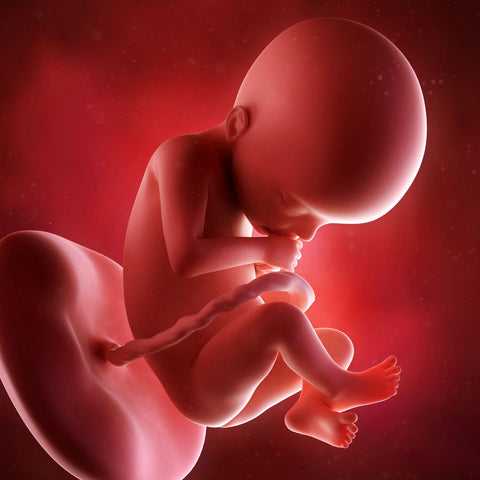
How is your baby growing at 22 weeks?
Your baby’s lungs are still developing, and they’re practising breathing movements in the womb. Their taste buds are forming too.
They’re swallowing small amounts of amniotic fluid. Some of what they swallow ends up in meconium, the first poo they’ll pass after birth.
Most people first feel their baby move between 16 and 24 weeks. If this is your first baby, you might only just be noticing the flutters.
What happens at 22 weeks?
There’s no routine appointment this week. Your next one is usually at 25 weeks if this is your first baby, or 28 weeks if not. In the meantime, if you haven’t already:
- Have your whooping cough vaccine. It’s usually given around 20 weeks, and having it before 32 weeks gives your baby the best protection. Ask your GP surgery or midwife.
- Have the flu jab if it’s autumn or winter. It’s free in pregnancy and safe at any stage.
- Get your MATB1 form from your midwife or GP. You’ll need it to claim maternity pay.
- Tell your employer. The latest you can leave it is 15 weeks before your due date, around 25 weeks.
What symptoms might you have at 22 weeks?
Stretch marks often appear around now, usually on your tummy, breasts or thighs. They’re harmless and tend to fade after the birth. You might also feel twinges down the sides of your bump, known as round ligament pain.
Backache, heartburn, constipation, leg cramps, swollen ankles and bleeding gums are all common. If you leak a little wee when you cough or sneeze, pelvic floor exercises can help.
Once you feel your baby move regularly, get to know their usual pattern. If they’re moving less than usual, or differently, call your midwife or maternity unit straight away.
Call straight away too if you have any bleeding, severe pain, a bad headache that won’t go away, problems with your vision, or sudden swelling of your face, hands or feet.