
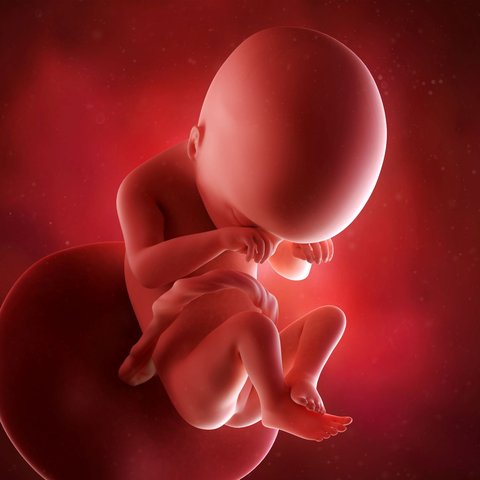
How is your baby growing at 19 weeks?
Your baby’s adult teeth are starting to form in their gums, lined up behind the milk teeth that will come through first.
They’re putting on weight steadily now. You may notice a bubbling feeling in your tummy, which could be your baby moving. Over time you’ll get to know their movements.
What happens at 19 weeks?
If you haven’t had your 20-week scan yet, it’s likely to be in the next couple of weeks. It’s usually done before 21 weeks. If your baby’s position makes the pictures unclear, you’ll be offered another scan before 23 weeks. If you don’t have a date yet, tell your midwife or GP.
From 20 weeks, your midwife or GP can give you a MATB1 form. You’ll need it to claim maternity pay. The whooping cough vaccine is usually offered at around 20 weeks too, though you can have it from 16 weeks.
If anything is worrying you, trust your instincts and tell your midwife. You don’t have to wait for your next appointment.
What symptoms might you have at 19 weeks?
Pregnancy hormones loosen your ligaments, so your back, knees and ankles get less support than usual. You might notice backache or pelvic pain, and exercise such as running may start to feel uncomfortable.
Sleep can get harder. Lying on your side with a pillow between your knees, and another under your bump, may help you get comfortable.
Tell your midwife or GP if pain at the front of your pelvis or in your lower back makes it hard to walk, climb stairs or turn over in bed. This could be pelvic girdle pain, and a physiotherapist can help.
Call your midwife or early pregnancy unit straight away if you have any bleeding from your vagina, or tummy pain that doesn’t ease after resting. If you can’t reach them, call NHS 111. Call 999 if the bleeding is heavy, or comes with severe tummy pain, shoulder pain, or feeling faint or dizzy.