
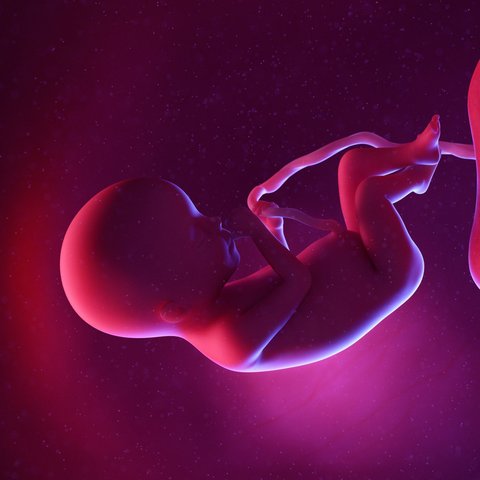
How is your baby growing at 20 weeks?
You’re halfway through your pregnancy. Your baby is more active now, kicking, punching and turning.
Their skin is covered in a white, greasy coating called vernix. It may help protect their skin in the amniotic fluid and help them move through the birth canal.
If this is your first baby, you may not feel movements until after 20 weeks. That’s common.
What happens at 20 weeks?
Your 20-week scan is usually done between 18 and 21 weeks. Most people are told there are no signs of the conditions it screens for. If something is found, you’ll be told after the scan and referred to a specialist, who may offer you further tests.
You can now get your MATB1 form from your midwife or GP. You’ll need it to claim maternity pay. Your employer needs to know you’re pregnant, and when you want your maternity leave to start, by 15 weeks before your due date, around 25 weeks.
The whooping cough vaccine is usually offered at around 20 weeks. It protects your baby in their first weeks, until they can have their own vaccines at 8 weeks old. If you haven’t been offered it, ask your midwife or GP surgery.
What symptoms might you have at 20 weeks?
Leg cramps are common, often at night. Firmly rubbing the muscle or pulling your toes up towards your ankle can ease them, and moving about during the day may help prevent them.
Backache, heartburn, swollen ankles and feet, and stretch marks are common too.
Pre-eclampsia usually starts after 20 weeks. Call your midwife, maternity unit or NHS 111 straight away if you have a severe headache, problems with your vision such as blurring or flashing lights, pain just below your ribs, vomiting, or sudden swelling of your face, hands or feet.
Call your midwife or maternity unit straight away too if you have any bleeding from your vagina or fluid leaking.