
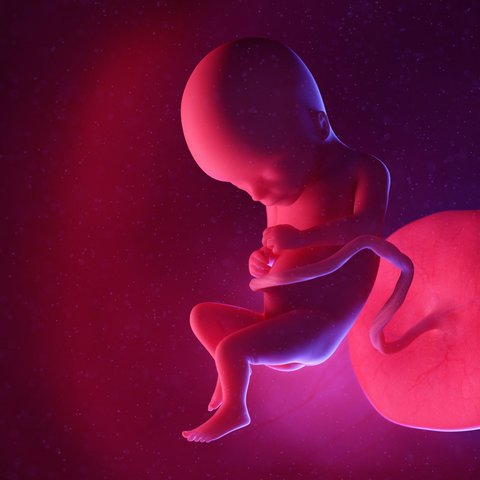
How is your baby growing at 18 weeks?
Your baby’s hearing and sense of touch are developing, along with the reflexes they’ll need to swallow and suck.
They’re wriggling and moving their arms and legs. You might start to feel this as a bubbling or fluttering feeling in your tummy. Your baby has probably been moving for a while, but it can take time to notice, especially in a first pregnancy.
What happens at 18 weeks?
Your 20-week scan, also called the mid-pregnancy or anomaly scan, is usually done between 18 and 21 weeks. It takes about 30 minutes. The sonographer checks your baby’s growth, looks closely at their bones, heart, brain, spine, face, kidneys and tummy, and checks the placenta. It screens for 11 conditions, but it can’t find everything.
You may be asked if you want to know the sex. Not every hospital tells you, and if you don’t want to know, say so before the scan starts. A partner or friend can usually come with you, but check first if you were hoping to bring children, as most hospitals say no. Ask beforehand whether you’ll need to pay for pictures.
If you haven’t been given a date for your scan yet, contact your midwife.
What symptoms might you have at 18 weeks?
Your blood pressure is probably a little lower than usual, which can make you feel dizzy. Getting up slowly from sitting or lying down can help.
Your breasts may have grown, sometimes by a cup size, especially in a first pregnancy. A dark line down the middle of your tummy, called the linea nigra, is common too. It usually fades a few months after the birth.
As your bump grows you may feel a bit clumsier. Backache, heartburn, constipation and leg cramps are common now.
Call your midwife or early pregnancy unit straight away if you have any bleeding from your vagina, or tummy pain that doesn’t ease after resting. If you can’t reach them, call NHS 111. Call 999 if the bleeding is heavy, or comes with severe tummy pain, shoulder pain, or feeling faint or dizzy.