
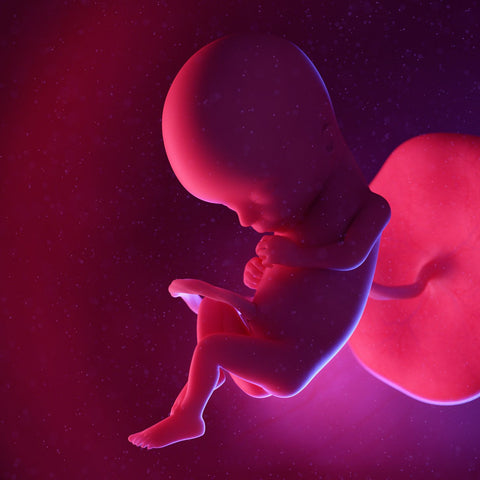
How is your baby growing at 15 weeks?
Your baby is now covered in fine, soft hair called lanugo, and their eyebrows and eyelashes are starting to grow.
Their eyelids are still closed, but their eyes can now sense light.
Your baby is starting to hear. Sounds from inside your body, such as your heartbeat and your digestion, reach them, and they may hear your voice too.
What happens at 15 weeks?
There’s usually no appointment this week. Your next one is at around 16 weeks, when your midwife will check your blood pressure and urine and talk to you about your 20-week scan.
From 16 weeks you can have the whooping cough vaccine. It’s usually given at around 20 weeks, and having it before 32 weeks gives your baby the best protection in their first weeks of life. You need it in every pregnancy, even if you’ve had it before.
If you’re pregnant in autumn or winter, you can have a free flu vaccine. It’s safe at any stage of pregnancy. From October to early March, take 10 micrograms of vitamin D a day. Some people need it all year round, so ask your midwife if you’re not sure.
What symptoms might you have at 15 weeks?
You may notice more vaginal discharge. That’s normal as long as it’s clear or white and doesn’t have a strong smell.
Itchy skin is common, partly because your skin is stretching. Unperfumed moisturiser, loose cotton clothes and cool baths can help. If the itching is bad, worse at night, or on the palms of your hands or soles of your feet, call your maternity unit straight away, or NHS 111 if you can’t reach them. It can be a sign of a liver condition called ICP that may need treatment.
Tell your midwife or GP if your discharge changes colour, smells, or comes with itching, soreness or pain when you pee, as you may have an infection such as thrush. Check before using a thrush treatment, as not all are suitable in pregnancy.
Short, sharp pains on the sides of your bump, bleeding gums and nosebleeds are all common. If you have any bleeding from your vagina, call your midwife or early pregnancy unit straight away, or NHS 111 if you can’t reach them. Call 999 if it’s heavy or you also have severe tummy pain or feel faint.