
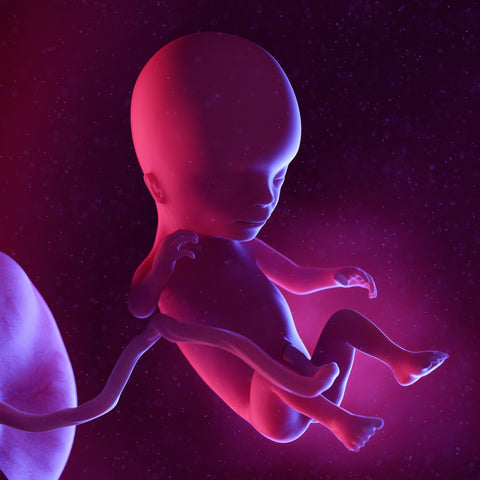
How is your baby growing at 14 weeks?
Your baby’s head is starting to look less large compared with their body, and it’s becoming rounder. They’re moving about, but it’s too early for you to feel it.
Your baby now swallows small amounts of amniotic fluid. Their kidneys process it and they pass it back out as urine.
The placenta is firmly attached to the wall of your womb and joined to your baby by the umbilical cord. It passes food, oxygen and hormones to your baby and takes away waste. It keeps your blood and your baby’s blood separate, even though they pass very close to each other.
What happens at 14 weeks?
There’s usually no appointment this week. Your next one is at around 16 weeks, when your midwife will go through any test results and may listen to your baby’s heartbeat with a small handheld device.
Prescriptions and NHS dental care are free while you’re pregnant and for 12 months after the birth. In England, ask your midwife or GP for a maternity exemption certificate (MatEx).
Sleeping on your front is fine for now if it’s comfortable. From 28 weeks, the advice is to go to sleep on your side, as this is safer for your baby.
What symptoms might you have at 14 weeks?
You may be past the worst of the early symptoms. Sickness and tiredness often ease around now, and your appetite may come back. Your bump may start to show more.
You don’t need to eat for two, and you don’t need extra calories yet. A healthy snack, like fruit, yoghurt or a slice of wholemeal toast, can help if you’re peckish between meals.
You might notice yellowish marks inside your bra. This is probably colostrum, the first milk your breasts make. Sharp pains low on one or both sides of your bump are common too, as the ligaments supporting your womb stretch.
Call your midwife or early pregnancy unit straight away if you have any bleeding from your vagina, or tummy pain that doesn’t ease after resting. If you can’t reach them, call NHS 111. Call 999 if the bleeding is heavy, or comes with severe tummy pain, shoulder pain, or feeling faint or dizzy.