
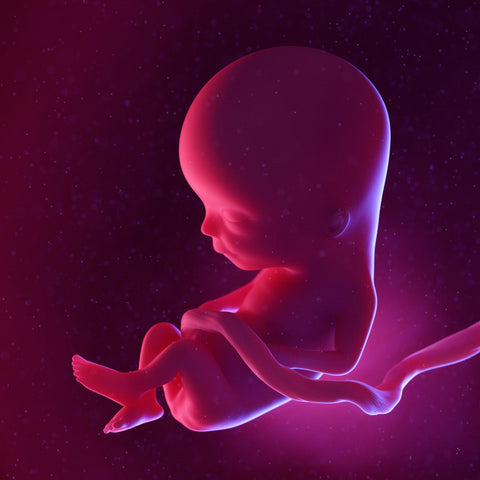
How is your baby growing at 13 weeks?
Your baby’s ovaries or testes have now formed inside their body, and the genitals on the outside are still being finished.
Your baby is moving, although you won’t feel it yet. Their movements start out jerky and random and slowly become more controlled. Some babies even suck their thumb, which is early practice for feeding.
What happens at 13 weeks?
You’re now in the second trimester, which runs from 13 to 27 weeks.
Your dating scan is offered at around 10 to 14 weeks, so contact your midwife if you don’t have a date yet. If you’ve chosen screening for Down’s, Edwards’ and Patau’s syndromes, the combined test can only be done up to 14 weeks. After that, a blood test for Down’s syndrome is offered up to 20 weeks instead, and Edwards’ and Patau’s syndromes are looked for at the 20-week scan.
Many people tell their employer after the 12-week scan. Once you do, you can take paid time off for antenatal appointments. The latest you can tell them is 15 weeks before your due date, around 25 weeks.
What symptoms might you have at 13 weeks?
If you’ve had sickness and tiredness, they may start to ease over the next few weeks, and you may find you have more energy. For some people they carry on for longer.
You might need to pee a little less often than in the first trimester. Some people notice a higher sex drive, linked to extra blood flow to the pelvic area. Sex is usually safe in pregnancy unless your midwife or doctor has told you otherwise.
Bleeding gums, headaches, nosebleeds, bloating, constipation and heartburn are all common. If you’re being sick a lot, tell your midwife or GP, as severe sickness can need treatment.
If you have any bleeding from your vagina, even spotting, call your midwife or early pregnancy unit straight away, or NHS 111 if you can’t reach them. Call 999 if the bleeding is heavy, or you have severe tummy pain or feel faint.