
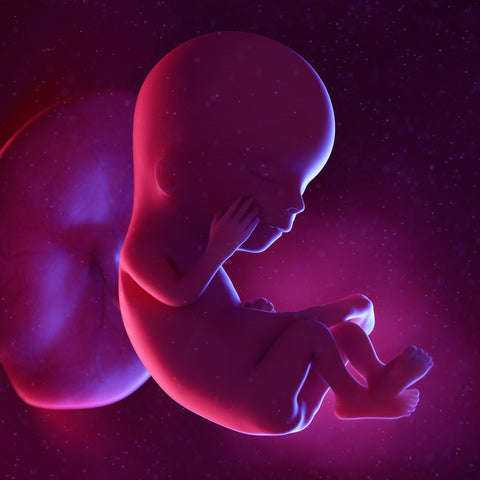
How is your baby growing at 12 weeks?
Your baby’s internal organs and muscles have developed a lot, and their skeleton, made of soft tissue, is slowly hardening into bone.
Your baby’s heartbeat shows up on an ultrasound now. Their sex organs are in place, but it’s usually too early for a scan to tell you whether you’re having a boy or a girl.
The placenta has probably taken over from the yolk sac, giving your baby nutrients and oxygen. As this happens, your hormone levels may start to settle.
What happens at 12 weeks?
This week marks the end of the first trimester. If you haven’t had your dating scan yet, it should be any time now, as it’s done between 10 and 14 weeks. Screening for Down’s, Edwards’ and Patau’s syndromes is done at the same scan if you’ve chosen to have it.
Many people share their news after the scan. Once you tell your employer, you can take paid time off for antenatal appointments, and they should check your work for any risks to you or your baby.
If it’s autumn or winter, you can have the flu vaccine at any stage of pregnancy. Your next midwife appointment is usually at 16 weeks. You can have the whooping cough vaccine from 16 weeks, though it’s usually offered around 20 weeks, and it works best if you have it before 32 weeks.
What symptoms might you have at 12 weeks?
You may have a small bump by now, or just feel a little thicker around the waist. Many people don’t show yet, especially in a first pregnancy.
Tiredness often starts to lift around now, and your appetite may come back. Sickness usually improves by 16 to 20 weeks. You don’t need to eat for two: no extra calories are needed until the last three months, and then only about 200 a day.
You might also notice heartburn, headaches, aches around your bump or brown patches on your face, sometimes called the mask of pregnancy. If you’re feeling low or anxious most days, tell your midwife or GP.
Bleeding isn’t always serious, but get it checked straight away. Call your maternity unit or early pregnancy unit, or NHS 111 if you can’t reach them.
Call 999 if bleeding is heavy (soaking a pad soon after you put it on), or comes with severe tummy or shoulder pain, or with feeling sick, faint or dizzy. If you have sudden, severe tummy pain and feel faint or dizzy, call 999 even if you’re not bleeding.