
How is your baby growing at 17 weeks?
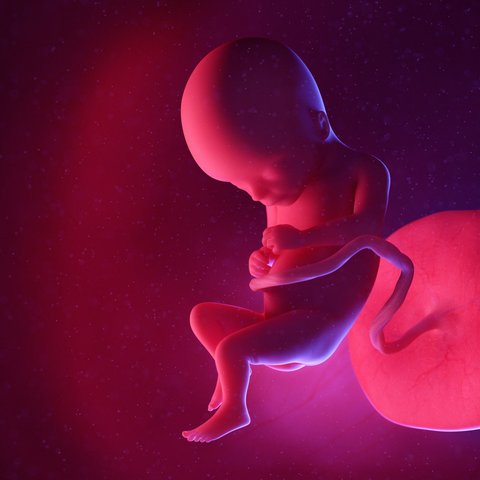
Your baby can now move their eyes, although their eyelids are still closed. They can open and close their mouth, and they may react to loud noises.
Their fingernails are starting to grow, and their fingerprints have formed. The pattern is theirs alone, and an identical twin’s would not match it.
The placenta keeps growing alongside your baby. By the end of pregnancy it will weigh about 500g.
What happens at 17 weeks?
There’s usually no appointment this week. Your 20-week scan is usually between 18 and 21 weeks, and how it’s booked varies by area. You might get a letter, need to phone the hospital or book through an app. If you don’t have a date yet, ask your midwife.
You can start thinking about where you’d like to give birth: in hospital, in a midwife-led unit or at home. Your midwife can talk you through the options, and you can change your mind later. Ask about antenatal classes too, including online ones. They can help even if you’ve had a baby before, and they’re a good way to meet other parents-to-be.
What symptoms might you have at 17 weeks?
Your waist may start to disappear and your bump may be more obvious now.
Stretch marks can start to appear on your tummy, breasts, bottom or thighs. They can be pink, red, purple or brown, and up to 8 in 10 pregnant women get them. After the birth they usually fade and become less noticeable, though they may not go completely.
Stress and anxiety in pregnancy are common, affecting around 1 in 5 women. If worry or low mood is getting in the way of daily life, tell your midwife or GP, as support is available.
Tiredness, trouble sleeping, leg cramps and dizziness are common too. If you have any bleeding from your vagina, call your midwife or early pregnancy unit straight away, or NHS 111 if you can’t reach them. Call 999 if it’s heavy or you also have severe tummy pain or feel faint.