
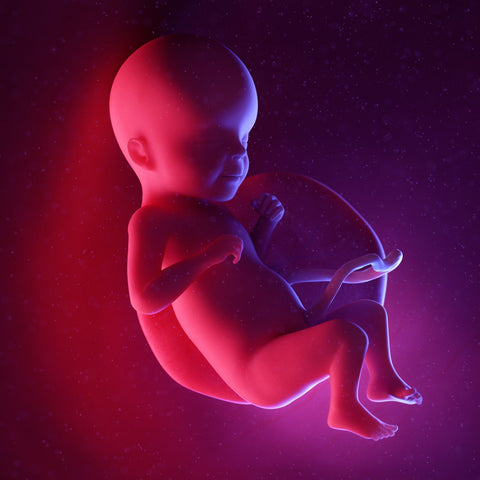
How is your baby growing at 26 weeks?
Around now, your baby’s eyes open for the first time and they’re starting to learn to blink.
Eye colour depends on genetics and can keep changing after birth. It has usually settled by the time a child is about 3.
Your baby is very active, and you might notice busier and quieter times. That pattern is worth getting to know.
What happens at 26 weeks?
There’s no routine appointment this week. Your next one is at 28 weeks, when you’ll have a blood test to check your iron levels and blood group, and you’ll be offered the RSV vaccine to help protect your baby after birth. If you’re RhD negative, you may also be offered an anti-D injection.
If you haven’t had your whooping cough vaccine yet, ask your GP surgery or midwife. It gives your baby the best protection if you have it before 32 weeks.
At work, you can ask for a risk assessment, extra breaks and somewhere to sit, and you can go to antenatal appointments in paid time. If you don’t qualify for Statutory Maternity Pay, you may be able to claim Maternity Allowance, and you can apply from now.
What symptoms might you have at 26 weeks?
Tiredness and poor sleep are common now. You might also feel clumsier than usual, because your centre of gravity shifts as your bump grows.
Leg cramps, often at night, can be sudden and sharp. Pulling your toes up towards your ankle or rubbing the muscle can ease them, and regular foot and ankle exercises during the day may help prevent them.
Many people feel more forgetful, sometimes called “baby brain”. Tiredness and a busy mind may play a part.
If your baby is moving less than usual, or their movements feel different, call your midwife or maternity unit straight away. Don’t rely on a home heartbeat monitor (doppler) to check on them. It isn’t reliable and can falsely reassure you, so always call instead.