
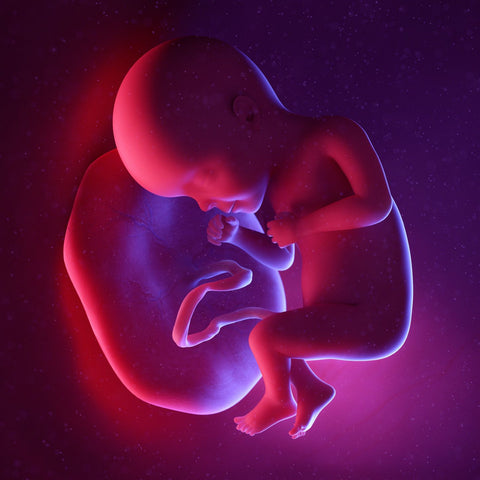
How is your baby growing at 27 weeks?
This is the last week of your second trimester. Your baby’s lungs have developed enough that, if they were born now, they could breathe with help from a neonatal team. The lungs keep maturing right up to the birth.
Your baby is getting plumper. Fat is building up under their skin and smoothing out the wrinkles, and all their organs are maturing.
You may feel stronger kicks and jabs now, rather than the flutters of a few weeks ago.
What happens at 27 weeks?
Your 28-week appointment is coming up. Your midwife will check your blood pressure, urine and bump, take blood to check your iron levels and blood group, and ask about your baby’s movements and how you’re feeling.
You’ll be offered the RSV vaccine around then, in every pregnancy. It helps protect your baby from a virus that can cause serious breathing problems in their first months. If you haven’t had your whooping cough vaccine, ask about that too.
From 28 weeks, the advice is to go to sleep on your side, either side, rather than on your back. Pillows behind you and between your knees can make it more comfortable, so it’s worth getting used to it now.
If you’re planning to fly, check your airline’s rules now. After 28 weeks, many ask for a letter from your midwife or GP confirming your due date, which can take a few weeks to get and may cost money. Some airlines won’t let you fly at all near the end of pregnancy.
What symptoms might you have at 27 weeks?
Bloating and constipation are common, as your growing baby presses on your stomach and the hormone progesterone affects your digestion. Plenty of fibre, water and gentle exercise can help.
You might snore or have a blocked nose, because the inside of your nose can swell in pregnancy. Tiredness is common too, so rest or nap when you can.
Call your midwife or maternity unit straight away if your baby is moving less than usual or differently, or if you have any bleeding. Do the same if you have regular tightenings, period-type pains, backache that isn’t usual for you, or a gush or trickle of fluid from your vagina. Before 37 weeks, these can be signs of early labour.