
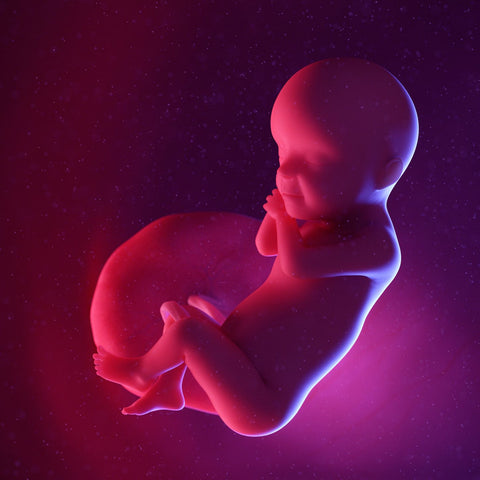
How is your baby growing at 30 weeks?
You’re about three quarters of the way through your pregnancy. Your baby can now focus their eyes.
Once they’re born, they’ll see your face best from about 20 to 25cm away, and they’ll start tracking moving things at around 3 months.
Your baby could be lying in any position at the moment. Most turn head down by the time labour starts, and your midwife will check their position at your later appointments.
What happens at 30 weeks?
There’s no routine appointment this week. Your next one is at 31 weeks if this is your first baby, or 34 weeks if you’ve had a baby before.
If you haven’t had your whooping cough vaccine, try to have it in the next couple of weeks. It gives the best protection before 32 weeks, though you can still have it later. If you haven’t had your RSV vaccine, have it as soon as you can. It can be given up until labour, but sooner gives your baby the best protection.
It’s a good time to learn about the stages of labour and your pain relief options, through antenatal classes or your midwife, even if you’ve had a baby before.
If you’re buying baby clothes, just get a few to start with, in a couple of sizes, as babies grow out of them quickly.
What symptoms might you have at 30 weeks?
Sleep can be hard to come by. Getting comfortable, needing the toilet and vivid or unsettling dreams can all keep you awake. Talking about dreams that worry you can help.
You might feel breathless on the stairs as your baby presses up on your lungs. Feeling hot, heartburn, swollen ankles and backache are common too.
Call your midwife or maternity unit straight away if you suddenly feel breathless, get breathless when you lie down, or feel breathless with chest pain or dizziness. If you’re struggling to breathe or have sudden, severe chest pain, call 999.
Keep going to sleep on your side, and keep noticing your baby’s movements. If they’re moving less than usual or differently, call your midwife or maternity unit straight away, even at night.