
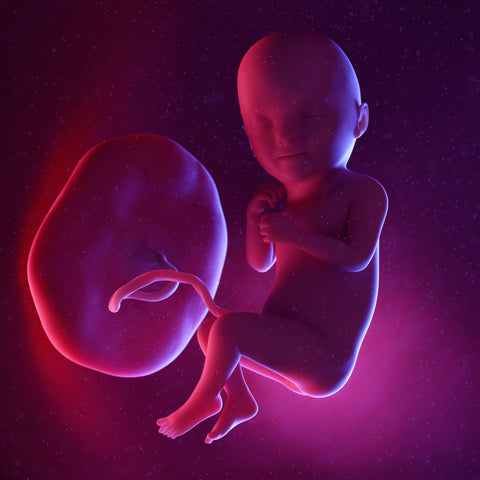
How is your baby growing at 33 weeks?
Your baby’s brain and nervous system are well developed now, though the brain will keep growing fast after birth.
Most of their bones are hardening, but the bones of the skull stay soft and aren’t joined together yet. This lets your baby’s head squeeze through the birth canal more easily. The soft spots between the bones (fontanelles) usually close when your baby is around 12 to 18 months old.
Your baby is still putting on weight, and you should keep feeling them move as much as usual. If they’ve settled head down, you might notice a heavy feeling low in your pelvis.
What happens at 33 weeks?
You won’t usually see your midwife this week, so it’s a good time to sort out a few things:
- Your hospital bag. Aim to have it packed at least 3 weeks before your due date, with your maternity notes and birth plan in it.
- A car seat. If you’re going home by car, buy one (new if you can) and practise fitting it.
- Work. You can ask your employer for a risk assessment and for changes such as more breaks or no heavy lifting. You’re entitled to paid time off for antenatal appointments.
- Antenatal classes. If you haven’t booked any, ask your midwife what’s available near you or online.
What symptoms might you have at 33 weeks?
Heartburn, constipation, leg cramps, backache and tiredness are common now. For heartburn, try smaller meals more often and not eating in the 3 hours before bed. A pharmacist can suggest an antacid that’s safe in pregnancy.
Braxton Hicks tightenings may come more often. They shouldn’t hurt. If they become painful or start coming regularly, call your maternity unit, as you could be going into labour early.
Your blood pressure is checked and your wee tested at each appointment for signs of pre-eclampsia. Call your maternity unit straight away (or NHS 111 if you can’t reach them) if you have a severe headache that won’t go away, blurred vision or flashing lights, pain just below your ribs, heartburn that antacids don’t help, vomiting, sudden swelling of your face, hands or feet, or you feel very unwell. Call them straight away, day or night, if your baby is moving less than usual or their pattern of movements changes.