
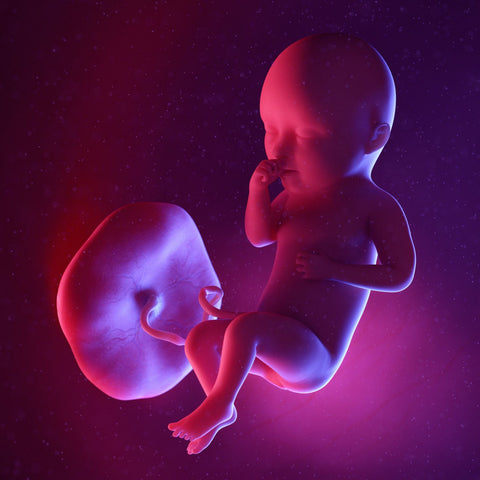
How is your baby growing at 34 weeks?
There isn’t much room left, and your baby is tightly tucked up now, knees drawn in. You should still feel them shifting around, and you might see your bump change shape as they move.
If you’re having a boy, his testicles are moving down into the scrotum.
Some babies start to move down into the pelvis around now. This is called engaging, and it doesn’t mean labour is about to start.
What happens at 34 weeks?
You’ll have an antenatal appointment at 34 weeks. Your midwife will check your blood pressure, test your wee and measure your bump. They’ll ask about your baby’s movements and how you’re feeling, and talk to you about preparing for the birth and how to tell when labour has started.
From 34 weeks, you can start perineal massage (massaging the skin between your vagina and anus). It may make a tear that needs stitches less likely, especially with a first baby. Ask your midwife how to do it. Don’t do it if you have thrush or another infection, or think your waters may have broken.
If you want to change the date your maternity leave starts, you need to give your employer at least 28 days’ notice.
What symptoms might you have at 34 weeks?
If your baby moves down into your pelvis, you might find it easier to breathe and have less heartburn, but need to wee more often and find walking harder. Backache, leg cramps and poor sleep are common too.
Your breasts may leak a little colostrum, your baby’s first milk. Breast pads can help. A well-fitting bra in the day and a lighter one for sleeping may ease sore breasts.
Call your maternity unit straight away if you have any bleeding, your waters break, or you have regular or painful tightenings. Call them too, day or night, if your baby is moving less than usual or their pattern of movements changes. Don’t use a home heartbeat monitor (doppler) to check.