
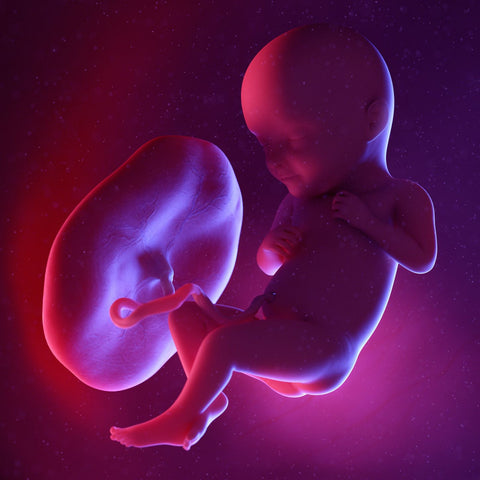
How is your baby growing at 32 weeks?
Your baby is now fully formed. From here until birth, their main job is to put on weight. The fat building up under their skin will help keep them warm once they’re born.
Your baby is probably lying head down by now. If not, there’s still time for them to turn, and your midwife will check their position at your appointments from 36 weeks.
From around now, the amount your baby moves should stay about the same, right up to and during labour. You might feel kicks in a different place as they change position.
What happens at 32 weeks?
You won’t usually have an appointment this week. At your next one, at 34 weeks, your midwife will talk to you about preparing for the birth and how to tell when labour has started.
If you haven’t had your whooping cough vaccine, ask your GP surgery or midwife. It’s best to have it before 32 weeks. You can still have it later, but it’s less likely to protect your baby, so ask as soon as you can. The RSV vaccine is offered from 28 weeks and can be given right up until labour starts.
Think about where you’d like to give birth and ask your midwife about the options near you. You can change your mind later.
What symptoms might you have at 32 weeks?
Tiredness, heartburn, backache, leg cramps, headaches and poor sleep are all common now. Go to sleep on your side (either side), for naps too. If you wake up on your back, don’t worry, just turn onto your side.
You might notice Braxton Hicks contractions, where your bump tightens for a short while and then relaxes. They can feel uncomfortable but shouldn’t be painful. Aches or sharp twinges down the side of your bump are often caused by ligaments stretching to support your womb. Call your maternity unit if the pain is severe or doesn’t go away after you’ve rested for 30 to 60 minutes.
Call straight away if tightenings become painful or regular, your waters break or you’re bleeding, as these can be signs of early labour. Call them too, day or night, if your baby is moving less than usual or their pattern of movements changes.