
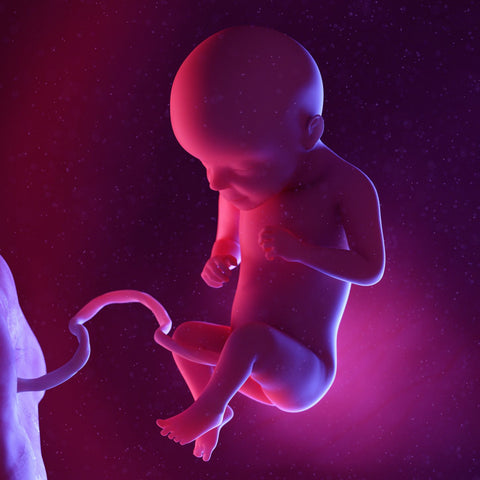
How is your baby growing at 29 weeks?
Your baby is now fully formed. For the rest of your pregnancy, they’ll mostly be growing, putting on fat and maturing their organs.
The greasy white coating that has protected their skin for the past few weeks, called vernix, starts to disappear around now.
Your baby has their own pattern of sleeping and waking. You might find they’re at their liveliest just as you’re trying to settle down for the night.
What happens at 29 weeks?
There’s no routine appointment this week. Your next one is at 31 weeks if this is your first baby, or 34 weeks if not.
If you haven’t had your whooping cough or RSV vaccine yet, ask your GP surgery or midwife soon. Whooping cough gives your baby the best protection if you have it before 32 weeks.
It’s a good time to think about your birth plan: where you’d like to give birth, what pain relief you might want, and who you’d like with you.
In the third trimester you may need about 200 extra calories a day, roughly two slices of wholemeal toast with spread. There’s no need to eat for two.
What symptoms might you have at 29 weeks?
You might get out of breath more easily as your baby presses up against your lungs. Slow down and take stairs at your own pace.
Needing to wee more often, especially at night, is common as your baby presses on your bladder. Drink plenty during the day and cut down in the late evening. If it stings when you wee or you see blood, contact your GP within 24 hours, as it could be a urine infection.
Leg cramps, backache and feeling off balance are common too. If you have a fall or a knock to your bump, call your midwife or maternity unit straight away, even if you feel fine. When you go to bed, settle on your side (either side is fine), with pillows for support.
Keep getting to know your baby’s usual pattern of movements. If they’re moving less or differently, call your midwife or maternity unit straight away rather than waiting.