
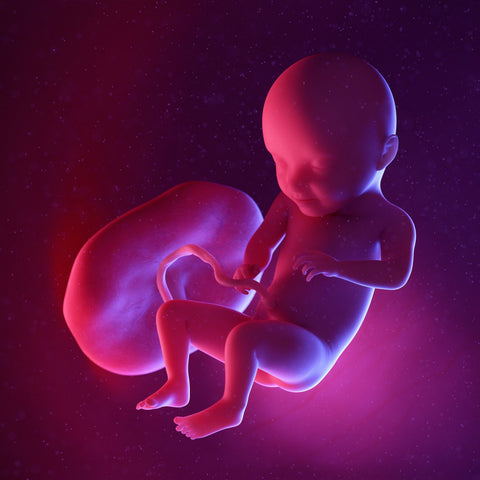
How is your baby growing at 31 weeks?
Your baby is filling out and looking less wrinkled. They’re very active, wriggling, turning and sucking their fingers. All that sucking is practice for feeding.
They may start to recognise voices they hear often, so talking or singing to your bump is a lovely way to start bonding.
The amount of amniotic fluid around your baby is increasing, as they pass more urine into it.
What happens at 31 weeks?
If this is your first baby, you’ll usually see your midwife this week. They’ll check your blood pressure and urine, measure your bump and ask about your baby’s movements. They may feel your bump to find out which way your baby is lying. You’ll also talk about getting ready for the birth, your birth preferences and how to tell when labour has started.
If you’ve had a baby before, your next appointment is at 34 weeks.
If you haven’t had your whooping cough vaccine, ask about it this week. It gives your baby the best protection if you have it before 32 weeks.
It’s also worth getting your baby’s sleep space ready: a cot, carrycot or Moses basket with a firm, flat, waterproof mattress that fits snugly, and no pillows, duvets or cot bumpers.
What symptoms might you have at 31 weeks?
You may feel your bump tighten for 20 to 30 seconds and then relax. These are Braxton Hicks contractions, practice tightenings that are usually painless and harmless.
Heartburn, backache, swollen ankles, leg cramps and trouble sleeping are all common now, and your breasts might leak a little.
Before 37 weeks, call your midwife or maternity unit straight away if your tightenings become painful or regular, or you have period-type pains, unusual backache, or a gush or trickle of fluid from your vagina. These can be signs of early labour.
Call them straight away too if you have any bleeding, or if your baby is moving less than usual or their pattern has changed. Don’t wait until the next day.