
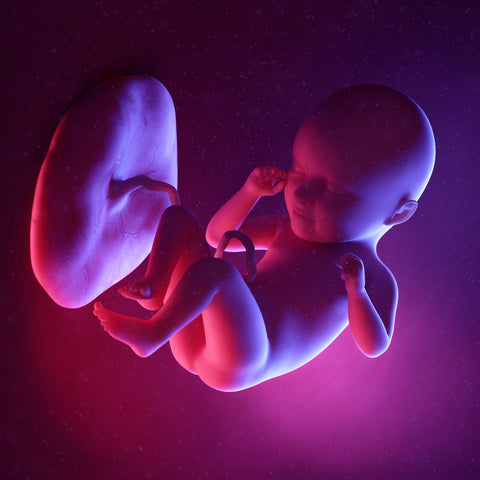
How is your baby growing at 35 weeks?
Your baby is still putting on weight, mostly as fat under their skin. This will help them keep warm after they’re born.
Space is tight now, but your baby should still move as strongly and as often as before. If they’re lying head down, their kicks can land up near your ribs and leave them feeling sore.
If your baby isn’t head down yet, there’s still time for them to turn. Your midwife will feel your bump to check their position at your 36-week appointment.
What happens at 35 weeks?
You won’t usually have an appointment this week. Your next one is at 36 weeks.
It’s a good time to think about your birth preferences, including the kinds of pain relief you might want, and write them down in a birth plan to share with your midwife. You can still change your mind on the day.
If you’re planning to breastfeed, you might want to get fitted for a feeding bra and buy some breast pads.
If you haven’t had your whooping cough or RSV vaccine, you can still have them, but the sooner you have them, the more likely they are to protect your baby. Ask your GP surgery or midwife.
What symptoms might you have at 35 weeks?
Sore ribs, backache, swollen ankles and poor sleep are common now, and you might still have Braxton Hicks tightenings.
Sore ribs are usually caused by your baby’s kicks. But pain just below your ribs can also be a sign of pre-eclampsia, so call your maternity unit straight away if you have it, or if you get a severe headache, problems with your vision or sudden swelling of your face, hands or feet.
Mild itching is common in pregnancy. But call your maternity unit straight away (or NHS 111 if you can’t reach them) if the palms of your hands or soles of your feet are itchy, or the itching is worse at night, as this can be a sign of a liver condition called intrahepatic cholestasis of pregnancy. Call them too, day or night, if your baby is moving less than usual.