
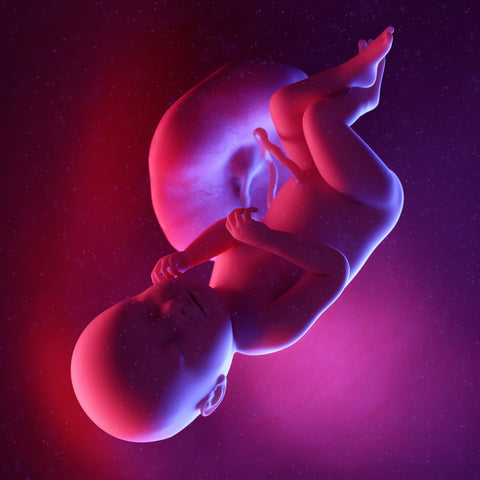
How is your baby growing at 38 weeks?
The fine hair (lanugo) that covered your baby has now mostly gone, but some babies still have a little at birth.
Your baby’s bowels are filling with meconium, a dark green, sticky substance that usually becomes their first poo after birth. If your waters break and look green or brown, call your maternity unit straight away, as your baby may have passed meconium and will need checking.
Your baby should keep moving as much as usual, right up to and during labour.
What happens at 38 weeks?
At your 38-week appointment, your midwife will measure your bump, check your blood pressure and test your wee for protein, which can be a sign of pre-eclampsia. They’ll feel your bump to check your baby’s position and talk to you about your choices if you’re still pregnant after 40 weeks.
If labour hasn’t started by 41 weeks, you’ll usually be offered an induction. Induction is common: around 3 in 10 births in England now start this way.
If you’re having a planned caesarean, it’s usually booked for 39 weeks or later.
What symptoms might you have at 38 weeks?
You might feel heavy, tired and uncomfortable, and find it hard to sleep. Backache, pressure low in your pelvis and swollen feet are common. Braxton Hicks tightenings can feel stronger and come more often as your due date gets closer.
Pre-eclampsia can still develop in late pregnancy and in the weeks after the birth. Call your maternity unit straight away if you get a severe headache, problems with your vision, pain just below your ribs, heartburn that antacids don’t help, vomiting, sudden swelling of your face, hands or feet, or you feel very unwell.
If your contractions are coming regularly, every 5 minutes or more often, call your maternity unit for advice. Call straight away, day or night, if your waters break, you have bleeding, a contraction lasts longer than 2 minutes, you’re having 6 or more contractions in 10 minutes, or your baby is moving less than usual.