How is your baby growing at 37 weeks?
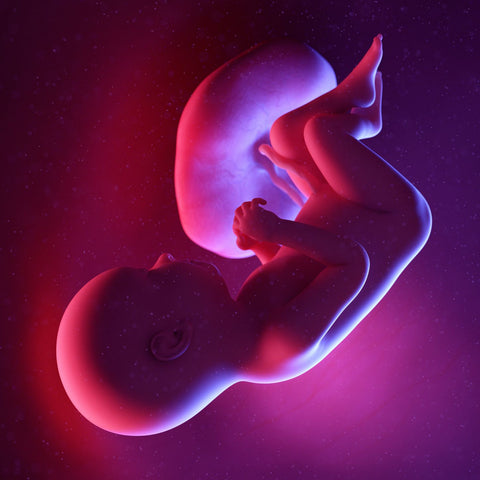
Your baby is now full term. Babies born from now on aren’t considered premature.
They’re trying out frowns and smiles, though these happen at random rather than showing how they feel. You’ve probably got to know your baby’s busy and quiet times.
Most babies are head down by now. If yours is still bottom or feet first (breech), there’s still a chance they’ll turn, and your midwife will talk you through your options, including an external cephalic version (ECV) to help turn them.
What happens at 37 weeks?
Most babies are born between 37 and 42 weeks, so labour could start any time now. Have your hospital bag ready and plan how you’ll get to where you’re giving birth. Your next appointment is at 38 weeks.
Group B strep (GBS) is a common type of bacteria that’s usually harmless, but there’s a small risk it can pass to your baby during labour and make them very ill. It isn’t routinely tested for on the NHS. If it’s been found in this pregnancy, or a previous baby was affected by it, you may be offered antibiotics during labour, and you’ll be asked to call as soon as labour starts or your waters break.
What symptoms might you have at 37 weeks?
Tiredness, heartburn, backache, needing to wee often and Braxton Hicks tightenings are all common now. Braxton Hicks come and go irregularly and don’t get stronger or closer together.
Labour contractions are different. They come regularly and get longer, stronger and closer together. Other signs that labour may be starting include a show (a sticky, jelly-like discharge that may be streaked with blood), backache, needing the toilet more and your waters breaking.
Call your maternity unit if you think you’re in labour or your contractions are coming every 5 minutes or more often. Call straight away, day or night, if your waters break, you have bleeding, a contraction lasts longer than 2 minutes, you’re having 6 or more contractions in 10 minutes, or your baby is moving less than usual.