
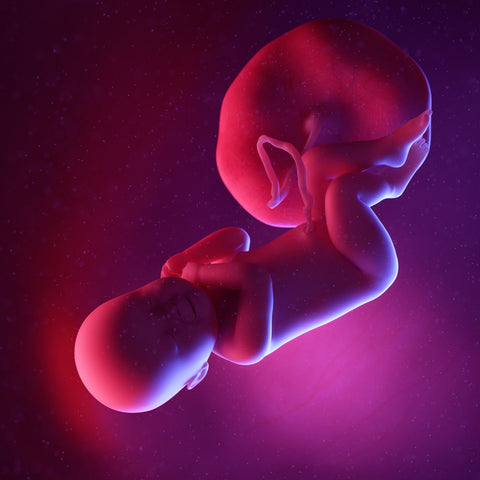
How is your baby growing at 40 weeks?
Your baby is fully developed and ready to be born. Space is tight, but your baby should keep moving in their usual pattern, right up to and during labour.
If your baby’s movements slow down, stop or change, call your maternity unit straight away, whatever the time. Don’t wait until the next day, and don’t use a home heartbeat monitor (doppler) to check.
What happens at 40 weeks?
Your due date is an estimate. Most babies are born between 37 and 42 weeks, and it’s common to give birth before or after your due date.
If this is your first baby, you’ll usually have an appointment at 40 weeks. Your midwife will check your blood pressure, test your wee and measure your bump, and talk to you about what happens if labour doesn’t start on its own. You may be offered a membrane sweep, which can sometimes help labour start. If you haven’t gone into labour by 41 weeks, you’ll usually be offered an induction. It’s your choice whether to have one.
There are no proven ways to start labour yourself at home. Herbal remedies may not be safe in pregnancy, so check with your midwife before trying any.
What symptoms might you have at 40 weeks?
Waiting can be hard. You might feel tired, heavy and impatient, with backache, pressure low in your pelvis, poor sleep and Braxton Hicks tightenings.
Signs that labour may be starting include contractions that come regularly and get stronger and closer together, a show (a sticky, jelly-like discharge that may be streaked with blood), backache and your waters breaking.
Call your maternity unit if you think you’re in labour or your contractions are coming every 5 minutes or more often. Call straight away, day or night, if your waters break, you have any bleeding, a contraction lasts longer than 2 minutes, or you’re having 6 or more contractions in 10 minutes. Call 999 if you think your baby is coming now and you have a strong urge to push.