
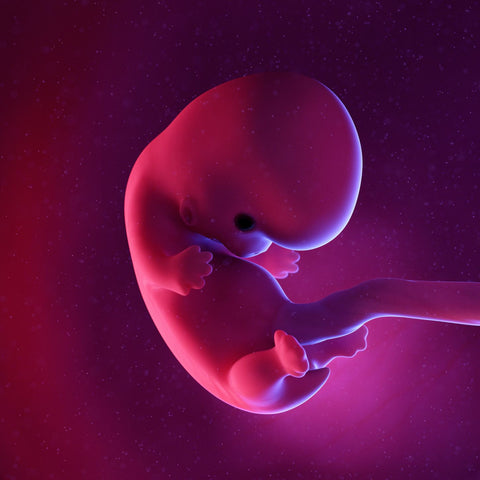
How is your baby growing at 8 weeks?
Your baby’s head is starting to uncurl and straighten. The arms are growing faster than the legs and are now longer. The legs are lengthening too, though the knees, ankles and toes haven’t formed yet.
The placenta is developing and growing tiny branches that help it attach to the lining of your womb. Around now, your baby starts to be called a foetus rather than an embryo.
What happens at 8 weeks?
Your booking appointment with a midwife usually happens between 8 and 12 weeks, ideally by 10 weeks, and takes about an hour.
Your midwife will ask about your health, any previous pregnancies, your work and home life, and how you’re feeling. They’ll check your blood pressure, test your pee and offer blood tests, including your blood group. They’ll also explain the screening tests you can choose to have and talk through your options for where to give birth.
You’ll get your maternity notes, on paper or in an app, to keep with you until your baby is born. In England, ask your midwife for a maternity exemption certificate (MatEx), which gives you free NHS prescriptions and dental treatment while you’re pregnant and for 12 months after your baby is born.
What symptoms might you have at 8 weeks?
You might feel bloated, and your breasts may be a little bigger and sore. Tiredness and nausea are still common, but you probably won’t look pregnant for a few more weeks.
Needing to pee more often is common as your growing womb presses on your bladder. Drinking plenty during the day and less in the evening can mean fewer trips at night.
Pain or stinging when you pee, or blood in your pee, can be a sign of a urine infection, so contact your GP within 24 hours.
Bleeding isn’t always serious, but get it checked straight away, and any pain low down on one side of your tummy. Call your maternity unit or early pregnancy unit, or NHS 111 if you can’t reach them.
Call 999 if bleeding is heavy (soaking a pad soon after you put it on), or comes with severe tummy or shoulder pain, or with feeling sick, faint or dizzy. If you have sudden, severe tummy pain and feel faint or dizzy, call 999 even if you’re not bleeding.